Smart Choices for Safer, Healthier Trees and Clearer Grounds
Planning a tree project begins with scoping the site. Start by mapping property lines, structures, utilities, and access routes so machines and crews can operate safely. Identify species, health conditions, and growth patterns to align goals with biology. Decide whether you need Tree Removal, Tree Trimming, or hazard mitigation. Good scoping reduces surprises, clarifies priorities, and frames timelines that keep weather, neighbors, and workday noise within acceptable bounds.
Next, assess risk and urgency. Dead or leaning trees near roofs and lines call for prompt action, while healthy canopies may simply need seasonal pruning. Emergency Tree Service exists for acute hazards after storms or wind events, but many risks are preventable with inspections. Verify targets beneath the canopy, wind exposure, and soil conditions. Then discuss mitigation options that address risks without overcutting or creating long-term structural weaknesses.
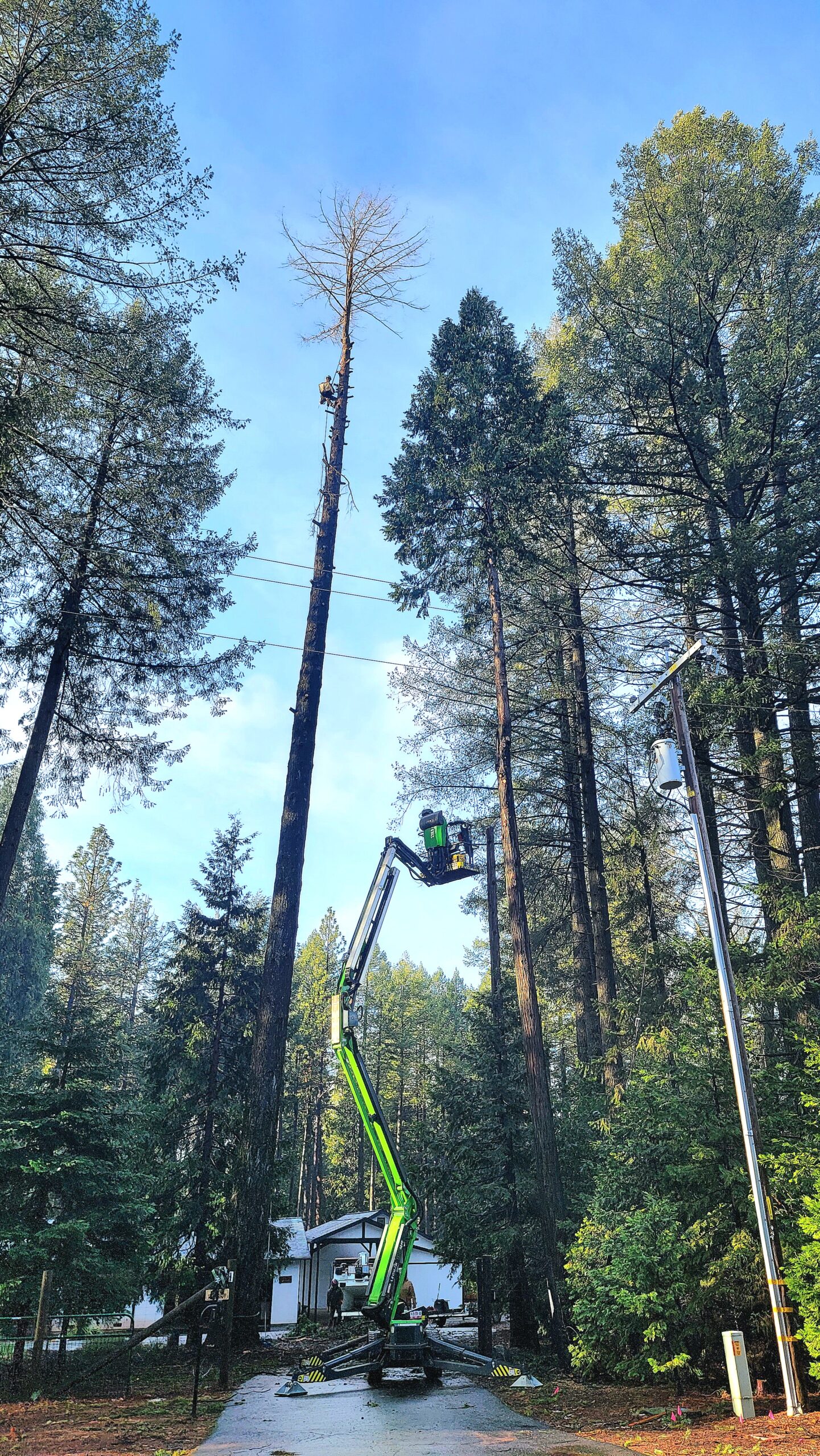
Meanwhile, sequence work to reduce rework and property impacts. For example, trim or reduce weight aloft before felling adjacent trees to buffer shock and control fall zones. Stage chipper placement and traffic flow to minimize turf damage and protect irrigation. When access is tight, lightweight gear or climbing methods may be preferable. Proper sequencing shortens crane time, streamlines hauling, and helps neighbors navigate the day with fewer disruptions and clearer expectations.
Beyond that, clarify disposal and byproduct plans. Chipping creates mulch that can be reused on-site if appropriate for soil and pests. Stump Grinding returns space for planting or hardscape, while full stump extraction may be necessary for certain builds. Brush Removal can be paired with forestry approaches to clean understory. Document what stays, what leaves, and where materials go so invoices and timelines align with the actual scope.
In practice, vegetation management intersects with wildfire resilience and code requirements. Defensible Space often dictates clearance, ladder fuel reduction, and the removal of dead material. Masticating or Forestry Mulching can break down dense brush into a more manageable layer, lowering fuel continuity. Validate that methods match terrain and goals, since steep slopes, heritage trees, or habitat corridors may require adjustments and additional permits before work begins.
Often, seasonal timing makes a measurable difference. Dormant-season Tree Trimming can reduce stress for many species and offers better visibility into structure. Nesting windows, sap flow, and drought cycles affect cut quality and recovery. Inspect for pests or disease vectors before making large cuts. When storms are common, plan a pre-season tune-up, and reserve contingency time for Emergency Tree Removal so you are not scrambling when the weather turns.
Then consider access, logistics, and neighborhood realities. Verify gate widths, overhead clearance, parking rules, and street load limits for heavy equipment. Phase noisy tasks during acceptable hours and buffer dust with tarps or water where appropriate. Protect hardscape with mats and mark underground utilities before digging. Good logistics keep sidewalks passable, reduce call-backs, and preserve client goodwill while keeping the job flowing.
However, not every solution requires big machines. Hand pruning, crown cleaning, and structural training can extend a tree’s useful life and reduce future costs. Calibrate cut sizes and angles to encourage strong growth and avoid decay. Maintain clearance from roofs and service drops without flattopping or lion-tailing. A thoughtful maintenance plan prevents overgrowth, supports light and airflow, and protects buildings from moisture and debris accumulation.
Finally, budget with lifecycle in mind. Compare the one-time cost of removal against years of trimming, debris handling, and root management. Align plant selection and replacement strategies with site water, soil, and exposure to avoid repeating problems. Validate warranty and cleanup details, and request documentation like photos and maps of completed work. A clear paper trail helps with insurance, future planning, and smooth handoffs between property managers.
Ultimately, vendor fit matters as much as technique. Look for clear communication, safety-forward practices, and transparent scopes that match your goals. Ask how crews will protect nearby assets, how debris is handled, and which methods will be used for Land Clearing or selective thinning. When plans are specific and adaptable, projects finish cleaner, risk is meaningfully reduced, and the landscape emerges healthier and easier to maintain.